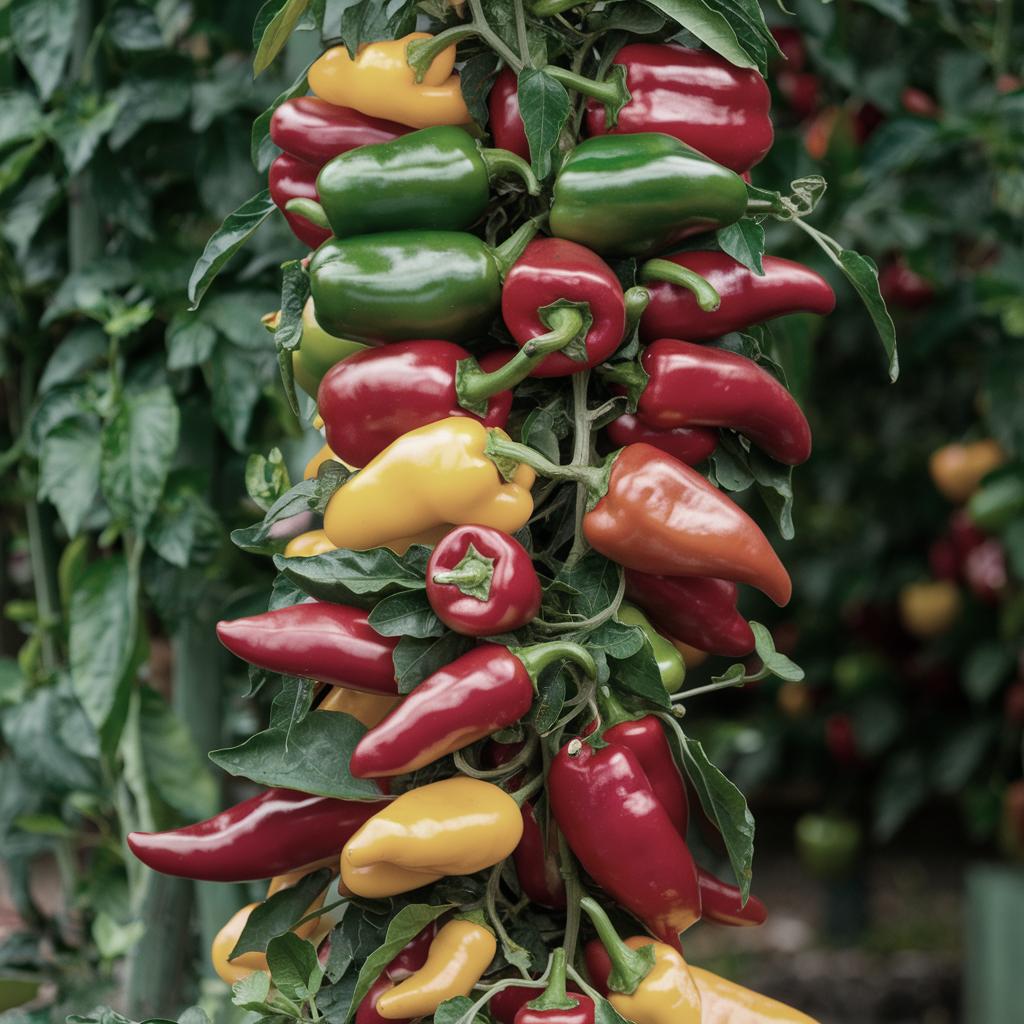
A Complete Guide To Growing Great Hot Peppers In Canada & Other Northern Regions
Growing hot peppers in Canada and other northern regions can be a rewarding challenge for gardening enthusiasts. Despite climatic constraints, with the right techniques and varieties, it is possible to cultivate a bountiful harvest of fiery peppers. This guide provides insights into obtaining quality seeds, selecting suitable pepper varieties for short seasons, and mastering the care of seedlings. Whether you prefer growing in pots or directly in the ground, this comprehensive resource explores different methods to ensure success. Delve into practical advice for maximizing growth and discover five key elements for creating a thriving backyard pepper garden, making this guide essential for both novice and experienced northern gardeners alike.
Where To Get High Quality Hot Pepper Seeds In Canada
Finding high-quality hot pepper seeds is the first crucial step in your pepper-growing journey. Various Canadian seed banks and online stores specialize in offering an array of hot pepper varieties. These sources provide detailed information on climate suitability, pepper heat levels, and germination rates, which are essential for making informed decisions.
Canadian seed companies such as West Coast Seeds and Richters Herbs are renowned for their extensive catalog of pepper seeds. Signing up for seed exchange groups on social media or forums can also connect you with passionate gardeners willing to share or trade pepper seeds that thrive in Canadian climates.
The Best Hot Pepper Varieties To Grow In A Short Growing Season
In shorter growing seasons, selecting the right pepper varieties is crucial. Opt for early-maturing types that require fewer days to reach maturity. Varieties like ‘Jalapeno Early,’ ‘Cayenne,’ and ‘Hungarian Wax’ are popular choices as they are not only quick to ripen but also provide a satisfactory level of heat.
For those looking to experiment with rare varieties, the ‘Numex Twilight’ and ‘Thai Hot’ offer not only heat but a visual appeal with bright hues. These peppers are ideal for northern gardens as they can handle cooler nights and unpredictable weather patterns better than other varieties.
When Should You Start Hot Pepper Seeds In Zone 3-4
Timing is pivotal when starting pepper seeds in northern zones like 3 and 4. Generally, seeds should be started indoors 8 to 10 weeks before the last expected frost date. This allows seedlings ample time to develop strong roots and a sturdy structure before transplantation.
It’s crucial to provide a warm environment for germination, ideally using heat mats, since peppers thrive in temperatures between 25°C to 30°C (77°F to 86°F). Keeping an eye on local frost advisories will ensure that you plant the seedlings outside at the optimal time, minimizing shock and maximizing growth potential.
How To Grow Great Hot Peppers From Seed
Growing hot peppers from seed involves diligent attention to light, heat, and moisture. Sow your seeds in well-draining seed-starting mix about ¼ inch deep. Ensure they are kept in a sunny location or under grow lights to mimic 14 to 16 hours of daylight daily.
Maintaining consistent moisture is crucial, but avoid overwatering as seedlings are prone to damping-off—a common fungal issue that can stunt growth or kill the plant. Investing in a domed seedling tray cover can help maintain a humid and stable micro-environment around the seeds.
How To Care For Hot Pepper Seedlings
Once germinated, pepper seedlings require careful management of water, light, and nutrients. Gradually introduce a half-strength fertilizer once they develop their first set of true leaves. This nourishment supports strong growth and prepares the plants for external environmental conditions.
Regularly rotate the seedlings to encourage even growth and prevent them from leaning towards a light source. Before transplanting, acclimate your seedlings by gradually introducing them to outdoor conditions—a process known as hardening off. This reduces transplant shock and improves their resilience.
How To Grow Hot Peppers In Canada
In Canada’s fluctuating climate, hot peppers can thrive with strategic planning. Begin by selecting a location with full sun and well-draining soil in your garden. Raised beds can be particularly effective as they warm up faster in the spring and facilitate excellent drainage.
Consider employing season extension techniques like using row covers or cold frames to protect the peppers during unexpected temperature drops. These methods safeguard your plants against frost and extend your harvest period, ensuring a higher yield even within the constraints of the northern growing season.
How To Grow Hot Peppers In A Short Growing Season
For regions with a short growing season, leveraging techniques to accelerate growth is essential. Black plastic mulch can be used to warm the soil and conserve moisture, effectively speeding up the growth cycle. Pairing this with fast-growing varieties ensures timely maturity and harvest.
Greenhouses or hoop houses can also be invaluable in these settings, providing a controlled environment that mitigates unpredictable weather changes. These structures help maintain consistent heat and humidity levels and can dramatically improve your overall yield.
Do Hot Peppers Grow Better In Pots or In The Ground
Both pots and in-ground planting have their advantages for growing hot peppers. Pots offer flexibility in terms of positioning—allowing you to move the plants to capture more sunlight or protect them from adverse weather. Ensure pots have adequate drainage and sufficient space for root development.
In-ground planting can support higher yields due to the expansive root system that promotes robust growth. However, the risk of cold soil temperatures can impede early-season growth unless mitigated by mulches or raised beds. Choose based on your capacity to manage these conditions and the specific needs of your chosen pepper varieties.
5 Key Things To Know About Growing Hot Peppers In A Backyard Garden
Growing hot peppers successfully in a backyard garden involves understanding specific needs and potential challenges. First, peppers flourish in warm, sunny environments, requiring at least 6-8 hours of sunlight each day. Providing them with these conditions will optimize plant health and yield.
Second, consistent watering is vital, especially during flowering and fruit set, to ensure the plants do not experience stress. Mulching helps conserve soil moisture and prevents weed competition. Third, pruning the plants can enhance airflow and reduce the risk of disease, promoting healthier foliage and fruit.
Fourth, companion planting with basil or marigolds can naturally deter pests, minimizing the need for chemical interventions. Lastly, always monitor your plants regularly for signs of stress or illness to address issues promptly, ensuring a successful and vibrant pepper harvest.
Latest Comments
Leave a Reply
Cancel reply
| Section | Summary |
|---|---|
| Quality Seeds | Explore reliable sources for high-quality hot pepper seeds suited to Canadian climates. |
| Varieties for Short Seasons | Recommendations for pepper varieties that mature quickly in shorter growing seasons. |
| Seed Starting Timing | Guidelines for indoor seed starting in zones 3-4 to optimize germination and growth. |
| Seed Growing Strategies | Tips for successful germination and seedling care, including moisture and light management. |
| Transplant Care | Essential care tips for seedlings, such as hardening off and nutrient management. |
| Outdoor Cultivation | Best practices for growing in Canadian climates, including site selection and season extension. |
| Pots vs. Ground | Comparison of container vs. ground planting, including advantages and considerations. |
| Key Considerations | Critical factors to ensure a thriving pepper garden, including sunlight, water, and companion planting. |


