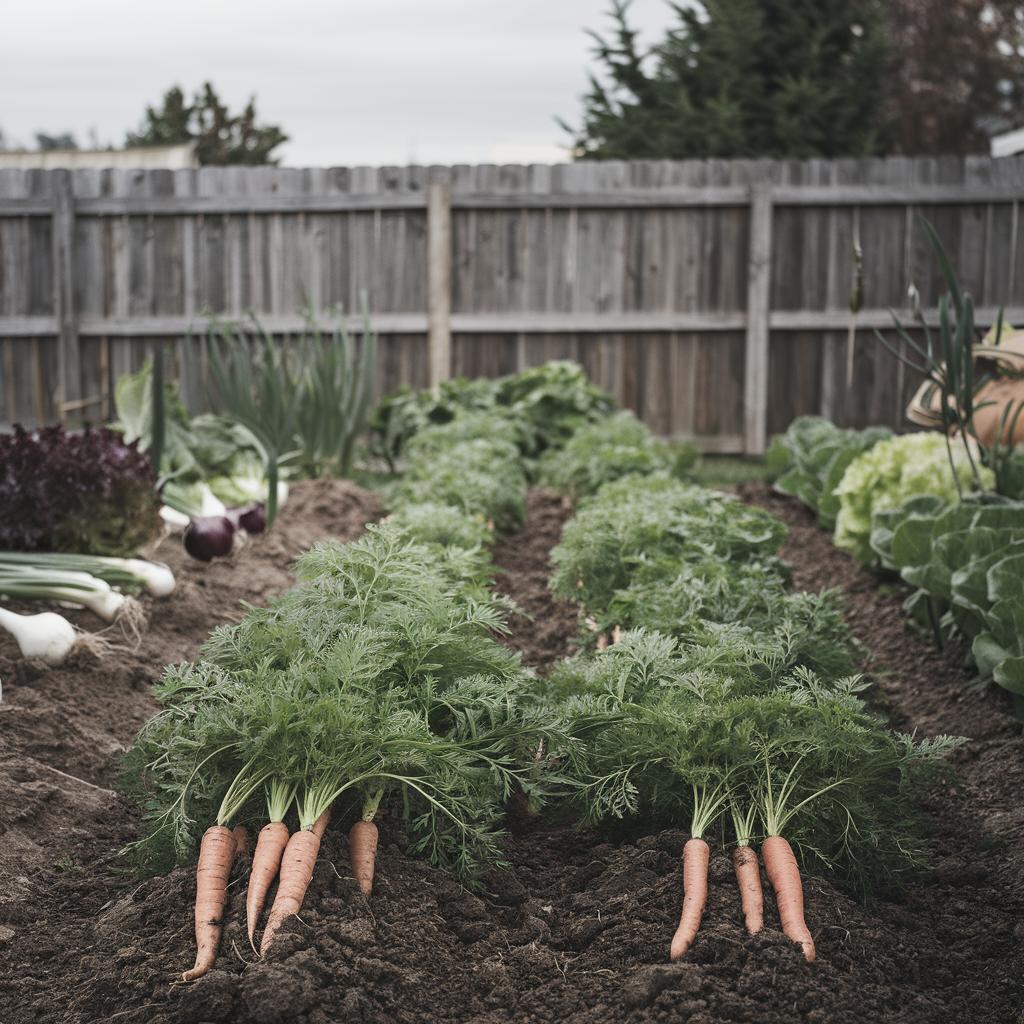
How to Grow Carrots in Your Own Backyard
Growing your own carrots can be a delightful and rewarding experience. Carrots are not only a delicious and versatile addition to many dishes, but they are also rich in vitamins and nutrients. In this guide, we’ll explore everything you need to know to successfully cultivate carrots in your own backyard. From choosing the right variety of seeds to harvesting your crops, each step is crucial in ensuring a bountiful harvest. Whether you’re an experienced gardener or just starting your gardening journey, this comprehensive guide will provide you with practical tips and techniques to grow crisp, sweet carrots that you can enjoy all year round.
Choosing the Right Carrot Variety
The first step in growing carrots is to select the right variety for your specific climate and soil conditions. Carrots come in an array of shapes, sizes, and colors, ranging from traditional orange to purple, yellow, and even white. Each variety has its own unique flavor profile and growth requirements. For cooler climates, consider varieties like ‘Nantes’ or ‘Imperator,’ known for their sweet taste and straight shape. Warmer regions might benefit from ‘Chantenay’ or ‘Danvers’ types, which are more heat-tolerant and have a robust, earthy flavor.
Researching the specific needs of each variety is essential. You’ll want to consider factors such as the length of the growing season, resistance to pests, and the specific flavor profile you desire. Visit local nurseries or gardening centers to find seed packets that provide detailed information about the ideal growing conditions for each variety. This preliminary planning will ensure that you select seeds best suited to your garden and local climate conditions.
Preparing Your Soil
Carrots thrive in loose, sandy soil that drains well. Begin by selecting a location in your backyard that receives full sunlight for most of the day. Before planting, clear the area of any rocks or debris. This is crucial as carrots grow deep into the soil, and obstructions can cause them to split or grow into unusual shapes. Improving soil quality by tilling it deeply and mixing in organic matter such as compost or well-rotted manure will enhance drainage and provide the nutrients carrots need to grow strong and healthy.
Testing the soil’s pH level is also advisable, as carrots prefer a pH range of 6.0 to 6.8. If the soil is too acidic or alkaline, consider adding lime or sulfur to adjust the pH level. This effort will contribute to a better, richer flavor in your carrots and prevent issues related to poor nutrient absorption. Remember to rake the soil surface smooth, ensuring that it’s even and ready for planting.
Planting Carrot Seeds
When it comes to planting carrot seeds, timing and technique are of the essence. Carrot seeds are typically sown directly into the ground, as they do not transplant well. The best time to plant is in early spring, once the soil has warmed up, or in late summer for a fall harvest. Scatter the seeds thinly in shallow furrows about a quarter-inch deep and cover them lightly with soil to protect from wind and birds.
Germination can take up to three weeks, so patience is key. To encourage a more consistent growth pattern and to make thinning easier, consider a staggered planting approach. This involves sowing new rows every few weeks, ensuring a continuous supply of fresh carrots. Once seedlings are established, thin them to about two inches apart to prevent overcrowding and to assist in the development of beautifully uniform roots.
Caring for Growing Carrots
Maintaining your carrot plants throughout the growing season involves regular watering and mulching. Consistent moisture levels are crucial, especially during germination and seedling stages. Aim to water deeply, providing about an inch of water per week, either through rainfall or supplemental irrigation, while being careful to avoid waterlogging the soil. Organic mulch, such as straw or wood chips, can help conserve moisture and regulate soil temperature.
Weeding is another important aspect of carrot care. Carrots do not compete well with weeds, so it’s essential to keep the surrounding area clear. Hand-pulling under the guidance of a hoe will protect the delicate roots from damage. Additionally, because carrots are susceptible to certain pests like carrot rust flies and aphids, consider using natural pest deterrents such as planting companion crops like onions or using floating row covers to shield your crops.
Harvesting Your Carrots
Harvesting carrots is an exciting stage of the growing process. Most varieties mature in about 70 to 80 days, but it’s often best determined by regularly checking the carrot tops protruding from the soil. When they reach ½ to 1 inch in diameter, gently loosen the soil around the plants to avoid breaking the roots. Grasp the tops and pull while twisting gently to lift the carrots from the ground.
After harvest, rinse the carrots thoroughly to remove any dirt. To store them, cut off the greens to prevent moisture loss. Carrots can be kept fresh in a cool, dry place for several weeks. For longer storage, consider freezing or pickling. Not only does this preserve their natural sweetness, but it also extends your enjoyment of home-grown produce well beyond the growing season.
Summary of Main Points
| Steps | Description |
|---|---|
| Choosing the Right Variety | Select varieties compatible with your climate and taste preference. |
| Preparing Your Soil | Ensure sandy, well-draining soil rich in organic matter. |
| Planting Carrot Seeds | Sow seeds in early spring or late summer; thin seedlings appropriately. |
| Caring for Growing Carrots | Regularly water and mulch; manage weeds and pests effectively. |
| Harvesting Your Carrots | Check for maturity after about 70-80 days; store carrots properly post-harvest. |


