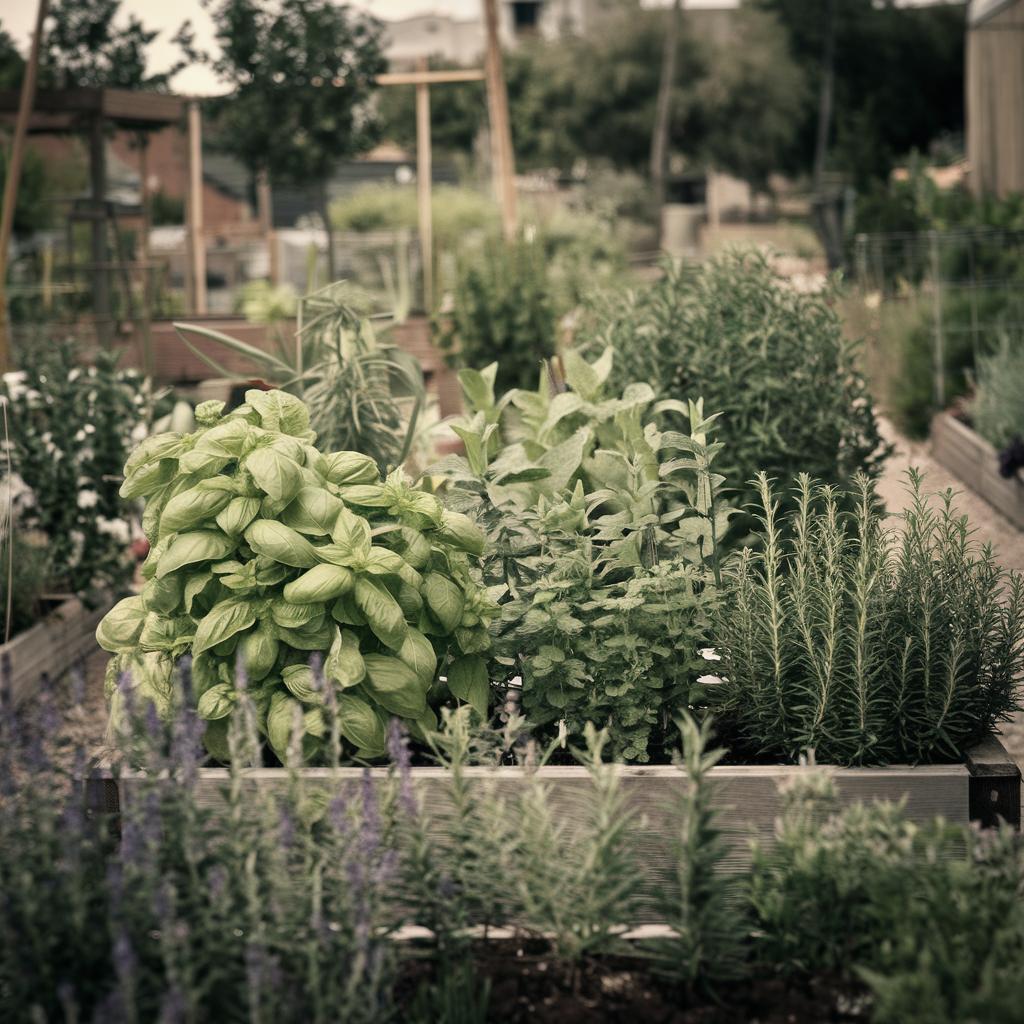
Growing Herbs: Herb Garden Care
Herb gardening is a rewarding venture that provides fresh, flavorful additions to your culinary creations while also beautifying your space. Whether you’re a seasoned gardener or a novice embarking on your first planting journey, understanding the essentials of herb garden care is crucial. This blog post will guide you through the process with practical advice on choosing the right herbs to grow, determining the best location for your garden, and mastering the art of trimming. Learn which plants cohabit well together and avoid common pitfalls by bypassing seeds in the beginning. By following these tips, you’ll cultivate a thriving herb garden that enriches both your kitchen and your garden with vibrant, aromatic plants. Embrace the journey and discover the joy of growing what you love to eat.
Grow What You Eat
When starting an herb garden, one of the most crucial decisions is choosing which herbs to plant. An excellent strategy is to begin with herbs that you frequently use in your cooking. Growing what you eat ensures that your garden directly supports your culinary preferences and reduces waste from unused flora. Popular culinary herbs like basil, rosemary, thyme, and mint are excellent choices due to their versatility and popularity in various dishes.
Besides the culinary benefits, herbs you eat often have additional uses. For instance, mint can be used for refreshing teas, while rosemary has applications in aromatic wreaths or essential oils. By aligning your garden with your dietary habits, you create a mutually beneficial ecosystem where your plants provide continuous bounty throughout their growing seasons.
Starting with your favorite herbs allows you to experiment with them in different recipes and learn to preserve their flavors. Drying and freezing them ensures you have a year-round supply even when the growing season ends, thus maximizing the utility of your effort in maintaining a home herb garden.
If at all possible, grow them outside
Whenever possible, growing herbs outdoors is beneficial for both the plants and the gardener. Natural sunlight is the ideal source of light for herbs, providing the specific wavelengths needed for optimal growth and flavor development. Additionally, growing outdoors takes advantage of natural airflow, which helps to prevent diseases and pest infestations.
Outdoor gardens can harness the natural ecosystem to aid in herb growth. Pollinators like bees and butterflies assist in the reproduction process, while beneficial bugs can manage harmful pests. Furthermore, outdoor gardens typically require less tending to than indoor gardens, as nature helps balance the plants’ needs for water and nutrients.
Creating an outdoor herb garden can be as simple as utilizing a small corner of your yard or using containers on a patio. You also have more flexibility with plant choice, as some herbs like lavender and oregano thrive in more open, direct sunlight, which is more readily available outdoors.
But if you absolutely can’t, get a light setup
If you’re unable to grow your herbs outdoors due to space or climate constraints, a good light setup indoors can simulate the essential conditions for thriving plants. Full-spectrum grow lights are designed to mimic natural sunlight, providing plants with necessary energy for photosynthesis and growth.
Setting up indoor grow lights involves understanding the light needs of different herbs. For most, you’ll want the lights on for 12-16 hours a day to replicate long summer days. It’s also essential to position the lights at the right distance from your plants to prevent burning and ensure even growth.
Consider using timers to automate your lighting schedule, reducing the effort required for managing indoor conditions. With the right indoor setup, herbs can thrive and provide a fresh harvest all year round, bringing the garden inside when the outdoors isn’t feasible.
Know which plants work best together
When planning your herb garden, pay attention to the concept of companion planting. Certain herbs naturally grow better when planted next to each other, aiding in pest deterrence and flavor enhancement. For instance, basil planted near tomatoes can improve the flavor of both plants and deter common pests.
On the other hand, some combinations should be avoided. For instance, fennel does not mix well with many herbs as it tends to inhibit their growth. Separating such herbs in their own spaces helps prevent these negative interactions, ensuring all your plants flourish.
Companion planting also optimizes space, allowing you to grow a wider variety of herbs in a limited area. Herbs like dill and cilantro can form beneficial symbiotic relationships in shared environments, thus improving overall gardening success.
Seeds are not for beginners
Starting your herb garden with seeds can be a rewarding but challenging task, often best approached by more experienced gardeners. Seedlings require careful attention to detail with soil conditions, lighting, and watering needs, which can be overwhelming for beginners.
Instead, new gardeners are encouraged to start with established seedlings or small plants from a nursery, which are typically more hardy and easier to care for. These pre-grown plants help ensure a successful start with lower risk and less intensive labor compared to growing from seeds.
Once you feel comfortable with basic herb care, introducing seeds into your routine can be a gratifying experience, adding a new level of complexity and personal achievement to your gardening journey.
Know how to trim
Proper trimming is essential for maintaining healthy and productive herb plants. Pruning encourages new growth and prevents your plants from becoming leggy or overgrown. Knowing when and how to trim is essential to maximizing the yield and lifespan of your herbs.
Regularly harvesting your herbs helps to keep them in their green and growing phase longer. When pruning, always use clean, sharp scissors or gardening shears to avoid damaging the plants. Trim just above a node, where two leaves meet the stem, to encourage bushier growth.
Make it a habit to pinch back herbs like basil and mint to promote fuller plants and avoid flowering, which can cause the leaves to develop a bitter taste. By mastering pruning techniques, you’ll ensure a continuous supply of fresh herbs ready to elevate any dish.
Next Steps
| Topic | Summary |
|---|---|
| Grow What You Eat | Focus on herbs you frequently use in cooking to create a mutually beneficial garden. |
| If at All Possible, Grow Them Outside | Outdoor growing provides optimal natural conditions for herbs. |
| But If You Absolutely Can’t, Get a Light Setup | Indoor light setups can mimic sunlight, allowing year-round herb growth indoors. |
| Know Which Plants Work Best Together | Companion planting enhances growth and flavor, while certain combinations should be avoided. |
| Seeds Are Not for Beginners | Beginners should start with seedlings, as seeds require more care and attention. |
| Know How to Trim | Regular trimming encourages new growth and prevents herbs from becoming overgrown. |


