How to Grow Viburnums
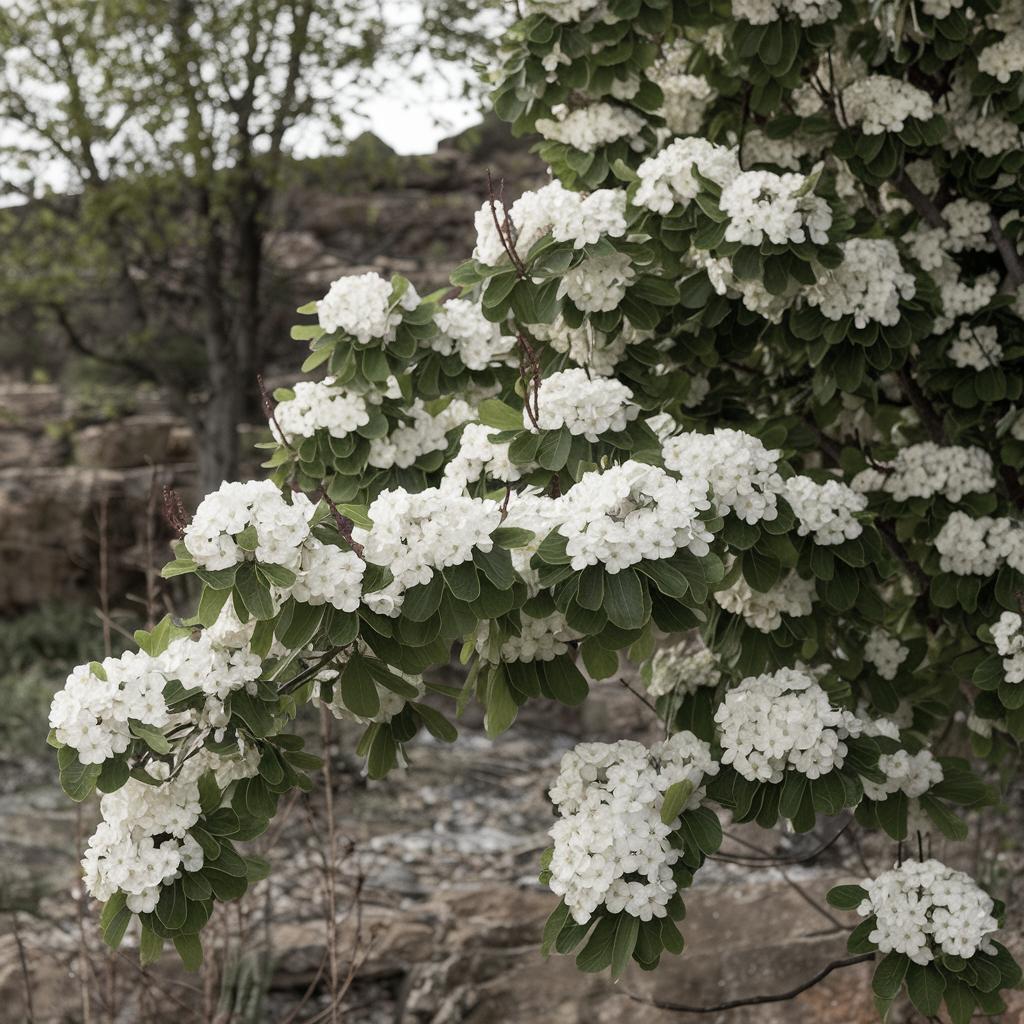
Viburnums are versatile, hardy plants that offer beautiful foliage, fragrant flowers, and colorful berries, making them a favorite among gardeners. This post provides a comprehensive guide on how to grow viburnums successfully in various climates. You’ll learn about different viburnum types, optimal planting techniques, care requirements, and how to tackle common pests and diseases. Additionally, we discuss creative garden design ideas to incorporate viburnums and highlight a popular variety — the Korean Spice Viburnum. By the end of the guide, you’ll have all the insights needed to cultivate these charming plants in your garden.
Viburnum 101
Viburnums are a diverse group of flowering shrubs and small trees that belong to the family Adoxaceae. They are known for their attractive aesthetics, with species offering a range of flower colors, leaf shapes, and sizes. Originating from various continents, including Asia, Europe, and North America, these plants are highly adaptable to a number of environments.
The benefits of growing viburnums extend beyond their appearance. They serve ecological purposes, such as providing nectar for pollinators, shelter for wildlife, and berries that feed birds in the fall. With over 150 species, there are viburnums that suited different gardening needs and preferences.
Planting Viburnum
When planting viburnums, it’s crucial to select the right location. Most prefer full sun to partial shade and thrive in well-drained soil enriched with organic matter. The best time to plant is during the spring or fall, allowing the roots to establish in mild temperatures before the extremes of winter or summer.
Start by digging a hole that is twice as wide and equally as deep as the root ball of the plant. Position the viburnum so that the top of the root ball is level with or slightly above the surrounding soil. Fill the hole with a mix of native soil and compost, ensuring there are no air pockets. Water thoroughly after planting.
Caring for Viburnum
Proper care is essential for viburnums to thrive. Water young plants regularly until they are established, which typically takes one to two growing seasons. Afterward, water them during dry spells. Applying a layer of mulch can help retain moisture and control weeds.
Pruning is another important aspect of viburnum care. While they don’t require extensive pruning, a light trim after flowering helps maintain their shape and encourage healthy growth. Remove any dead or diseased branches promptly to prevent issues from spreading.
Pests and Diseases
Like all plants, viburnums can suffer from pests and diseases. Common pests include aphids, spider mites, and viburnum beetles. Regularly inspect your plants for signs of infestation, such as discolored leaves or visible insects, and combat them with insecticidal soap or neem oil if necessary.
Disease can also be a concern, with powdery mildew and fungal leaf spots being among the most frequent. Ensuring adequate air circulation through proper spacing and avoiding overhead watering can help reduce the incidence of fungal diseases.
Recommended Types
Choosing the right viburnum can enhance the beauty and functionality of your garden. Popular types include the American Cranberrybush, well-known for its brilliant fall foliage and edible berries. The Arrowwood viburnum is another favorite due to its fast growth and dense, upright form.
The Doublefile viburnum also deserves a mention for its striking horizontal branching and flat snowy-white flower clusters. Each variety offers unique characteristics that can complement various landscape designs.
Garden Design Suggestions
When it comes to garden design, viburnums are incredibly versatile. They can be used as privacy screens, foundation plantings, or stand-alone specimens. For a dramatic effect, consider planting different varieties in mixed borders alongside perennials and grasses for seasonal interest throughout the year.
In smaller gardens, dwarf viburnum varieties can be used to great effect in containers or limited spaces. Their appealing structure and seasonal transitions can provide continuous visual interest in compact areas.
Related To:
Korean Spice Viburnum
The Korean Spice Viburnum (Viburnum carlesii) is particularly cherished for its intensely fragrant flowers, which bloom in spring. The pink buds open to reveal clusters of white blossoms, perfuming the air with a delightful aroma.
Not only noted for its fragrance but also for its ornamental features, the Korean Spice Viburnum’s leaves turn a deep raspberry red in the fall, offering a spectacular seasonal display. It is a relatively low-maintenance plant, ideal for border plantings and as a fragrant accent in gardens.
Summary of Main Points
| Section | Main Points |
|---|---|
| Viburnum 101 | Diverse family with over 150 species; native to various continents. |
| Planting Viburnum | Best planted in spring/fall; needs full sun to partial shade and well-drained soil. |
| Caring for Viburnum | Requires regular watering and occasional pruning after flowering. |
| Pests and Diseases | Vulnerable to aphids, spider mites, and fungal diseases; prevention is key. |
| Recommended Types | Includes American Cranberrybush, Arrowwood, and Doublefile viburnum. |
| Garden Design Suggestions | Suitable for privacy screens, mixed borders, and small gardens. |
| Korean Spice Viburnum | Known for its fragrant flowers and fall foliage; low-maintenance and versatile. |


