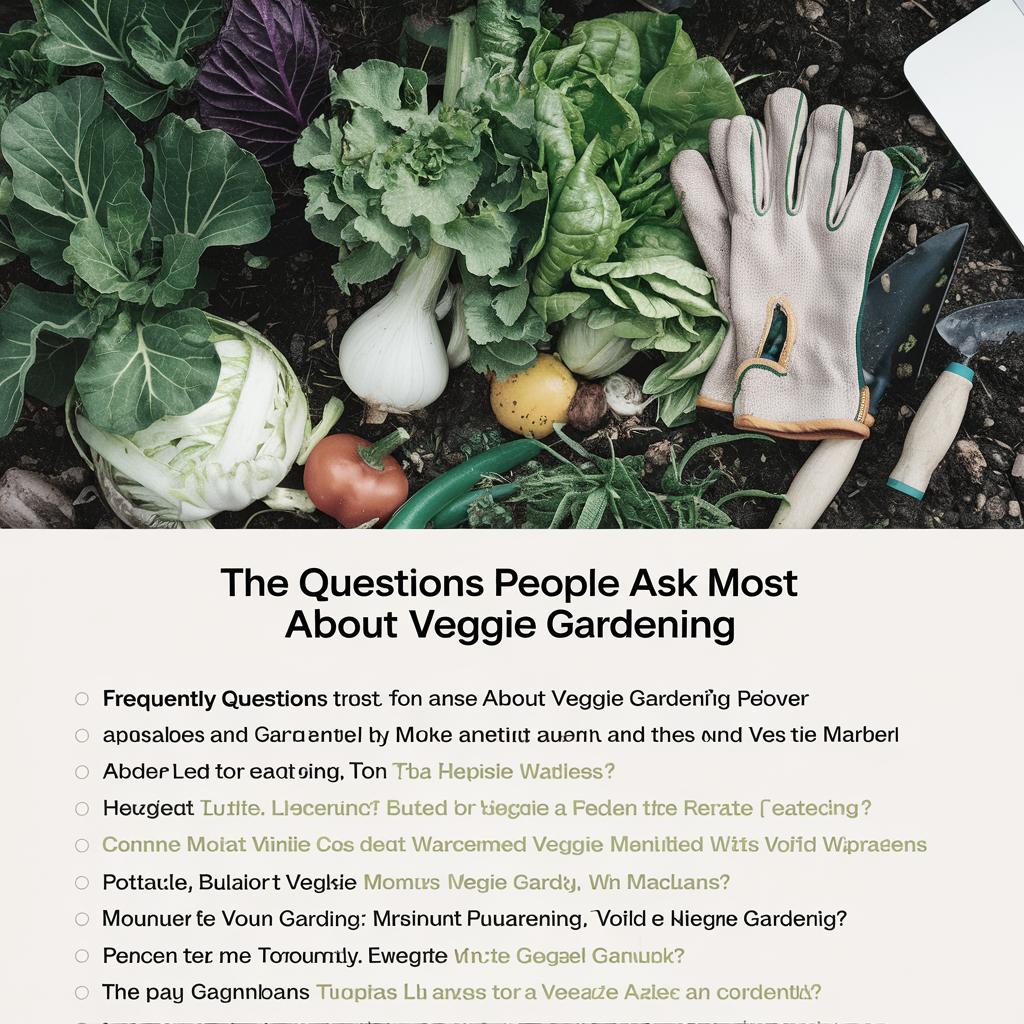
The Ultimate Guide to Veggie Gardening: Your Most Asked Questions Answered
Vegetable gardening can be a rewarding endeavor, providing fresh produce while offering a fulfilling hobby. As more people strive to grow their own food, numerous questions arise about how best to start and maintain a bountiful garden. Our comprehensive guide answers the six most frequently asked questions about veggie gardening, ensuring you’re well-prepared to cultivate a thriving plot. From understanding what you love to eat and planting in the right zone to planning around your summer schedule and keeping a garden journal, we cover it all. By delving into these key areas, you can tailor a gardening strategy that suits your climate, lifestyle, and culinary preferences, increasing both your harvest and enjoyment.
6 Questions for Planning a Vegetable Garden
1. What do you love to grow and eat?
Before any seeds are planted, consider what vegetables you enjoy eating the most. This will naturally guide your growing decisions, ensuring that the produce you cultivate will be put to good use in your kitchen. Whether it’s juicy tomatoes, crisp lettuces, or snappy green beans, tuning into your dietary inclinations will make the endeavor more fulfilling and practical.
Beyond personal preference, think about the types of vegetables that flourish in your region’s climate and soil type. Doing a little research on local favorites could introduce you to new flavors and ingredients you’ve never considered growing before. Trying a combination of your favorites along with a few experimental options can widen your gardening experience.
2. Do you have a good garden spot? What’s Your Growing Zone?
Location is key for any successful vegetable garden. A spot that receives ample sunlight (about 6-8 hours of direct sunlight per day) is ideal for most vegetables. The soil quality is also crucial; it should be rich in organic matter, well-drained, and have a balanced pH level. Conduct a soil test to understand its composition and amend it with compost or other organic materials if needed.
Knowing your USDA Plant Hardiness Zone is essential for selecting the right crops. This zone indicates your area’s climatic conditions, allowing you to determine which plants are most likely to thrive. Consider this information alongside your space properties to optimize plant choices and garden layout.
3. Do you want to start seeds yourself or buy seedlings?
Deciding whether to start seeds or purchase seedlings is a significant step in planning your garden. Starting from seed can be more economical, offers a greater variety of plants to choose from, and brings the satisfaction of nurturing life from its very beginning. However, it requires significant time and a controlled environment until the plants are strong enough to be transplanted outdoors.
Buying seedlings, on the other hand, can be more convenient and time-saving. It’s a great option if you prefer to skip early developmental stages and plant when the risk of frost has passed. This approach can also give you a head start if you’re beginning your garden later in the planting season.
4. When should you plant your garden?
Timing is everything in gardening, dictated largely by climate and the first and last frost dates in your area. Cool-season crops, like peas and leafy greens, can be planted in early spring, whereas warm-season vegetables, such as tomatoes and peppers, should wait until after the last frost.
Consider succession planting to maximize your yield throughout the growing season. This technique involves planting a new crop immediately after one is harvested, keeping your garden productive. Research the ideal planting schedule for your crops to ensure they thrive under optimal conditions.
5. What are your summer plans and how will they impact your garden?
Your lifestyle and summer plans can greatly influence your gardening schedule. If you plan to travel or are typically busy during certain months, consider how your garden can fit into your life. For those extended periods of absence, self-watering systems, mulching for moisture retention, or enlisting the help of a neighbor can keep your garden flourishing.
Planning ahead allows you to choose low-maintenance crops and set up your garden in a way that aligns with your routine. By anticipating potential challenges, you’re more likely to enjoy the gardening process and less likely to feel overwhelmed by its demands.
6. How will you keep track of what works and what to do next year?
Maintaining a gardening journal is invaluable for recording what works and what doesn’t. Document planting dates, weather conditions, pest management tactics, and harvest outcomes to assess the success of your gardening season. These records will be beneficial when planning future gardens, allowing you to make informed adjustments based on past experiences.
Photographs can also be helpful, providing a visual timeline of your garden’s progress. Over time, this collection of notes and images becomes a personal guidebook, inspiring confidence and facilitating learning from one season to the next.
Final Thoughts
| Question | Considerations |
|---|---|
| What do you love to grow and eat? | Focus on favorite vegetables and explore local favorites. |
| Do you have a good garden spot? What’s Your Growing Zone? | Ensure plenty of sunlight, good soil quality, and adjust based on your hardiness zone. |
| Do you want to start seeds yourself or buy seedlings? | Consider personal goals, timeline, variety options, and convenience. |
| When should you plant your garden? | Research frost dates and suitable planting times; consider succession planting. |
| What are your summer plans and how will they impact your garden? | Plan around lifestyle, consider maintenance needs, and use strategies for extended absences. |
| How will you keep track of what works and what to do next year? | Maintain a detailed gardening journal and photographic timeline. |


