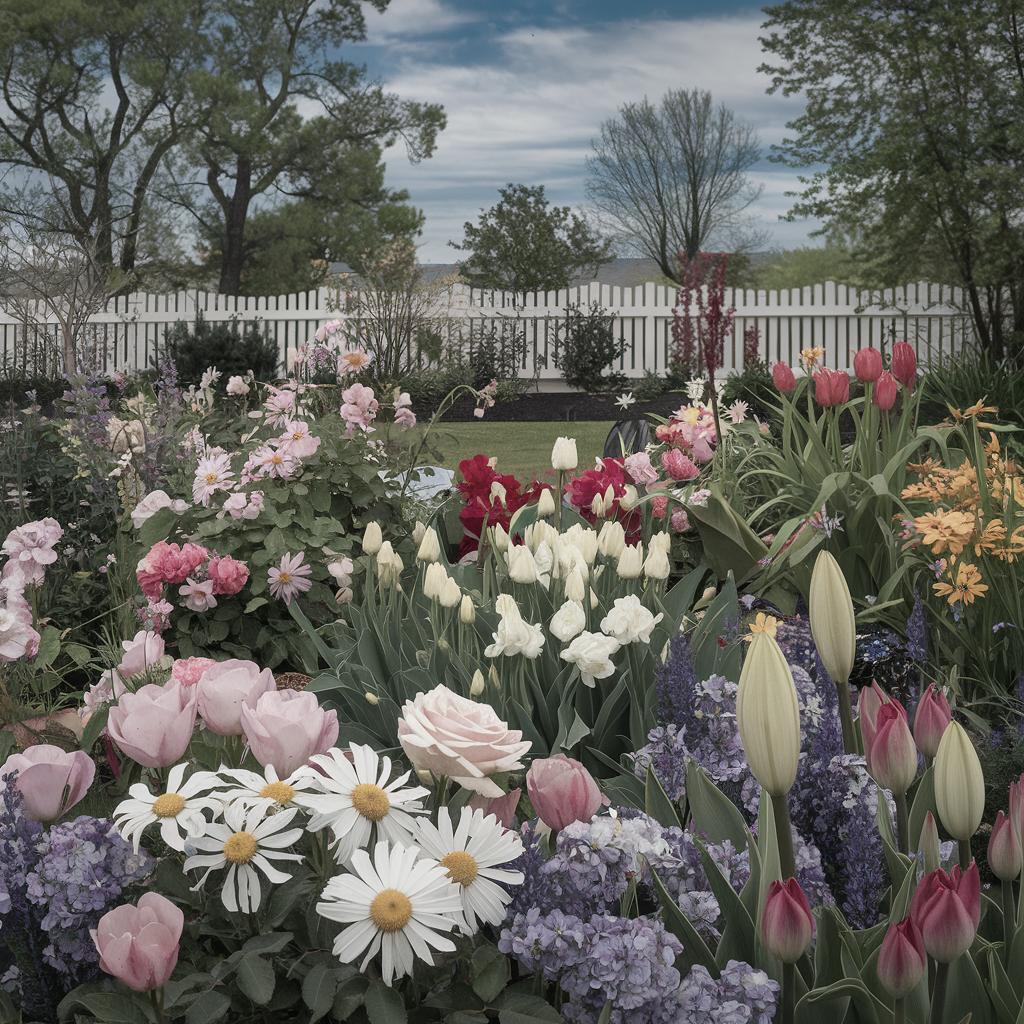
Common Questions About Flower Gardening
Flower gardening is a beloved hobby for many, offering the pleasure of watching a garden bloom from season to season. Whether you’re a seasoned gardener or a beginner just getting your hands dirty for the first time, questions are bound to arise. From understanding which flowers to plant to dealing with pests, flower gardening comes with myriad considerations. This blog post tackles the most frequently asked questions about flower gardening. We delve into topics such as selecting the right flowers, caring for your blooms, and common problems you might encounter. Read on to equip yourself with the knowledge that will help your garden thrive and bring joy for years to come.
Choosing the Right Flowers for Your Garden
One of the most common queries among budding gardeners is how to select the right flowers for their garden. The choice of flowers heavily depends on the climate and hardiness zone of your area. For those living in warmer zones, tropical plants like hibiscus or bird of paradise might be ideal. In contrast, those in colder regions might find success with daisies, pansies, or tulips that thrive in cooler climates.
Another critical factor in selecting the right flowers is understanding the soil conditions of your garden. Certain flowers require soil that is well-drained, while others thrive in more moist environments. It’s essential to conduct a soil test to determine its pH level, as some flowers prefer acidic soil while others flourish in alkaline conditions. Additionally, consider the amount of sunlight your garden receives, as some flowers, like sunflowers or lavender, need full sun, whereas others, such as hostas or ferns, prefer shade.
How to Care for Your Flowering Plants
Once chosen, the next step is learning how to take proper care of your flowering plants to ensure they remain healthy and vibrant. Watering is naturally a critical part of plant care. A general rule of thumb is to keep the soil consistently moist until the flowers have established their roots. However, be cautious of overwatering, as this can lead to root rot.
Fertilizing your flowers with the right nutrients is equally important. Most flowering plants benefit from a balanced fertilizer, although some might require specific nutrients, such as phosphorus to aid in bloom production. Regular pruning and deadheading, the process of removing spent blooms, will promote more vigorous growth and a prolonged flowering season.
Understanding Seasonal Changes and Flowering Cycles
Many gardeners wonder how seasonal changes will affect their flowering plants. Understanding the natural growing and resting cycles of your flora is essential. Perennials bloom for several seasons before needing a rest period, whereas annuals complete their lifecycle in a single growing season.
To optimize your garden year-round, consider planting a mix of annuals and perennials. This combination ensures continuous color in your garden as different plants bloom at varying times throughout the year. Be attentive to the specific needs of each species during their blooming and dormant periods to support their natural cycles.
Dealing with Pests and Diseases in the Garden
One inevitable challenge in flower gardening is the management of pests and diseases. Aphids, slugs, and caterpillars are common pests that can wreak havoc on your garden if left unchecked. Implementing natural pest control methods, such as introducing beneficial insects like ladybugs, can help manage these troublesome visitors without harming the environment.
Diseases, such as powdery mildew or blackspot, can also affect flowering plants. To combat these, ensure your garden is well-ventilated, as good air circulation can reduce the spread of disease. Removing diseased plants promptly and using appropriate fungicides when necessary will help keep your garden healthy.
Frequently Asked Questions About Flower Gardening
A common question among novice gardeners is how often to water their garden. As a general guideline, flowers need watering when the top inch of soil dries out. However, this can vary based on the species, climate, and time of year. Observing your plants will give you the best indication of their specific needs.
Gardeners often inquire about extending the blooming period of their flowers. Deadheading, providing proper nutrients with a timed-release fertilizer, and ensuring optimal light conditions are all practices that encourage prolonged blooming. Moreover, selecting varieties known for longer blooming periods can also contribute to a flourishing garden.
Summary of Main Points
| Topic | Key Insights |
|---|---|
| Choosing the Right Flowers | Select flowers based on climate, soil, and sunlight conditions; consider both annuals and perennials for year-round color. |
| Caring for Flowering Plants | Keep soil moist, use appropriate fertilizers, prune regularly to encourage growth and extend the flowering period. |
| Seasonal Changes and Cycles | Understand the growth and rest cycles; mix of annuals and perennials can ensure continuous blooms. |
| Managing Pests and Diseases | Use natural pest control methods; ensure ventilation and remove diseased plants promptly. |


