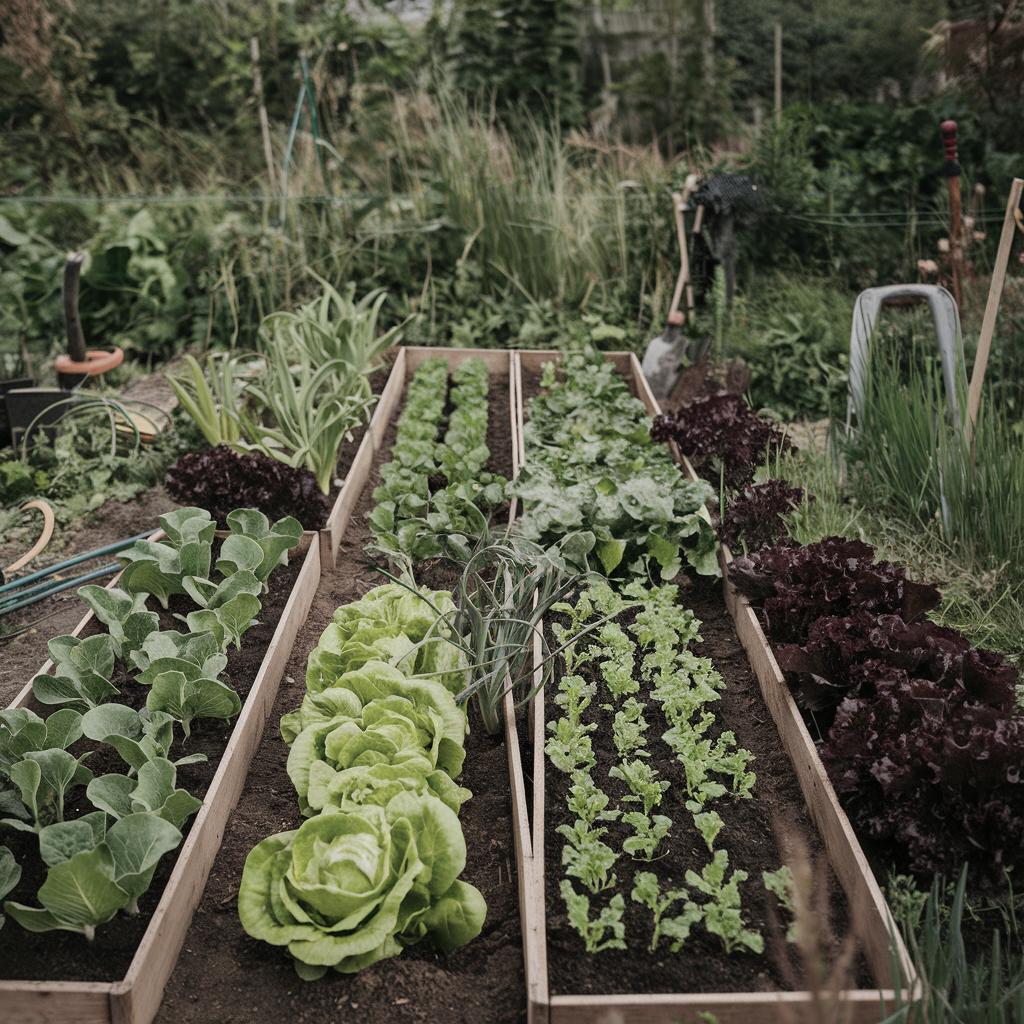
Vegetable Garden Seed Planting Techniques
Starting a vegetable garden is an exciting and rewarding venture that reconnects us with nature and provides fresh produce right from our backyard. Understanding vegetable garden seed planting techniques is essential for successful gardening. This article will explore key methods, like direct sowing and transplanting, discuss the benefits of starting seeds indoors, and outline the necessary supplies. Whether you’re new to gardening or looking to refine your techniques, these strategies will equip you to maximize your garden’s yield. Read on to learn about direct sowing and transplanting, why starting seeds indoors can be advantageous, the supplies you’ll need, and step-by-step instructions on how to get started.
Direct Sow VS Transplants
Direct Sowing
Direct sowing involves planting seeds directly into the soil where they are to grow. This method is straightforward and works well for plants that don’t transplant easily or thrive with minimal disturbance, such as root vegetables like carrots and radishes. It allows the seeds to germinate in their final growing location, reducing the risk of transplant shock.
The natural elements in your garden, such as sunlight and weather variations, play a crucial role in strengthening the seedlings from the start. However, direct sowing can be more challenging due to unpredictable weather conditions, so timing is essential to ensure success. Gardeners in cooler climates might face restrictions with direct sowing due to short growing seasons.
Transplanting
Transplanting refers to starting seeds in a controlled environment, such as indoors or in greenhouses, and then moving the young plants to the garden once they are sturdy enough. This method is ideal for plants with longer growing seasons, including tomatoes and peppers, which need a headstart to mature and bear fruit before colder seasons.
Although transplanting requires more initial effort and resources, it can lead to healthier and more resilient plants. The controlled environment allows for better management of light, temperature, and moisture levels, encouraging robust growth. Moreover, transplanting plants that are in their ideal growing stage can reduce competition with weeds and improve overall garden productivity.
Why You Should Consider Starting Seeds Indoors
Extend your Growing Season
Starting seeds indoors grants you a significant advantage by extending your growing season. By the time the last frost passes, your seedlings are already growing, ready to be transplanted outdoors. This headstart is especially crucial for warm-season crops such as tomatoes and basil.
Indoor seed starting allows you to manipulate growing conditions, offering the plants a stable environment during harsh weather periods. This approach is beneficial in regions with shorter growing seasons, where maximizing every possible day is essential for successful yields.
Increase Productivity with Succession Sowing
Succession sowing is the practice of planting seeds in intervals to ensure a continuous harvest. Starting seeds indoors can be an integral part of this technique, as it allows you to begin the next batch of plants while the previous one is still maturing in the garden.
This strategy helps maintain a steady supply of produce, preventing overwhelming single harvests and allowing fresher, more spread-out yields. It also maximizes the use of available garden space over time, keeping the soil productive throughout the season.
Pest Resistance
One of the lesser-known advantages of starting your seeds indoors is improved pest resistance. Young seedlings are vulnerable to pests such as slugs and snails; however, growing them indoors first shields them from such threats.
By the time plants are ready to be moved outdoors, they are often stronger and less palatable to many pests, armed with a potentially more robust resistance to infestations. This approach minimizes the use of pesticides and promotes a healthier gardening ecosystem.
Garden Planning & Design
Starting seeds indoors gives you more control over the layout and design of your garden. Knowing which plants will be ready to transplant allows for strategic planning and arrangement in your garden beds.
It facilitates thoughtful choices about plant companions, optimizing growth conditions throughout the plot. This foresight contributes to a harmonious and productive garden, leveraging the benefits of companion planting to reduce pest issues and enhance growth.
Supplies You Need to Start Seeds Indoors
Seeds
The starting point for any garden is quality seeds, which are fundamental for vigorous growing. Consider purchasing from reputable suppliers and selecting varieties that suit your climate and personal tastes. Always check the seed packets for planting instructions and timing recommendations.
Experimenting with heirloom or organic seeds can also add biodiversity and resilience to your garden. Diversity in your seed selection is key to ensuring a thriving and vibrant vegetable garden.
Growing Medium
Choosing the right growing medium is critical for seed success. Unlike outdoor soil, a sterile seed starting mix is preferred for starting seeds indoors, as it is lightweight and free of diseases or pests. A good seed starting mix retains moisture while allowing adequate drainage to prevent seed rot.
A mix of peat moss, vermiculite, and perlite is often recommended for its balanced properties. Considerations for sustainability might lead you to alternatives like coconut coir or homemade compost blends.
Containers
The containers that hold your seeds need to retain moisture and provide enough space for root development. Trays or pots specifically designed for seed starting are ideal choices, as they often come with compartments that support individual seedlings.
Reusing materials like egg cartons or yogurt cups is an eco-friendly option. Ensure containers have drainage holes to prevent waterlogging, which can lead to fungal diseases.
Light
For successful indoor seed germination, light is paramount. Although natural sunlight can work, supplemental grow lights are often necessary for optimal growth, especially during the late winter months.
Fluorescent or LED grow lights mimic the sunlight plants need and should be positioned close to the seedlings, adjusting as they grow. Providing 12 to 16 hours of light daily is typically recommended for robust seedling development.
Oscillating Fan
An often-overlooked piece of equipment, an oscillating fan, helps to circulate air around seedlings, which promotes sturdy stems. It simulates natural airflow conditions, starting plants on the path to outdoor resilience.
Additionally, circulating air reduces moisture buildup on foliage, minimizing the chance of fungal diseases like damping-off, which can be detrimental to young plants.
Heat Mat
Heat mats provide consistent bottom heat to help seeds germinate, particularly those that prefer warmer soil temperatures such as peppers or cucumbers. They can significantly improve germination rates and encourage faster growth.
These mats are placed under seed trays to maintain even warmth, imitating the ideal conditions of a soil bed warmed by the sun. Always monitor the temperature to avoid overheating, as excessive warmth can damage the seeds.
How to Start Vegetable Seeds Indoors
Starting seeds indoors involves a few simple steps, requiring attention to detail and a little patience. Begin by filling your chosen containers with the growing medium, lightly moistening the substrate to ensure an even distribution of water.
Sow the seeds according to the depth recommended on their packets, covering them gently with the mix. While maintaining consistent moisture levels, cover the containers with a plastic dome or wrap to create a mini greenhouse effect, retaining humidity necessary for germination.
Place the seeds under grow lights, setting a timer to ensure they receive adequate light daily. Once seedlings emerge, introduce a fan to strengthen them and gradually acclimate the plants by opening the cover more frequently. When they have grown to a suitable size, begin hardening them off by slowly introducing them to outdoor conditions before finally transplanting them into the garden.
Next Steps
| Techniques | Advantages | Supplies Needed | Steps |
|---|---|---|---|
| Direct Sowing | Suitable for root vegetables; minimal disturbance | Seeds, garden space | Sow directly into soil when conditions are favorable |
| Transplanting | Controlled environment; reduced competition with weeds | Seeds, containers, growing medium, light, fan, heat mat | Start indoors, nurture, and transplant to garden |
| Indoor Starting | Extended growing season; pest resistance | All indoor supplies listed | Prepare containers, sow seeds, provide light and warmth |


