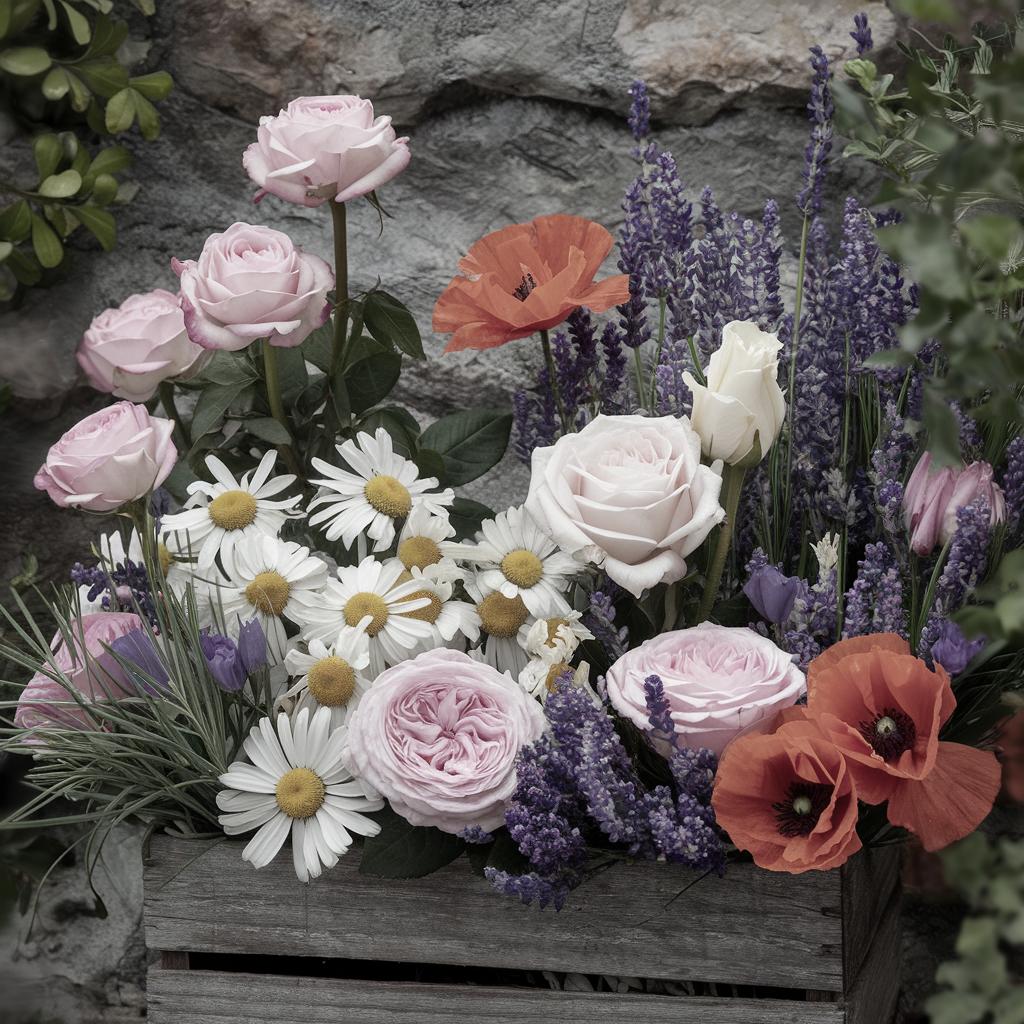
Ultimate Guide to Summer Flowers
Introduction
This comprehensive guide is your go-to resource for everything you need to know about summer flowers. From identifying what makes a flower specifically suited to the summer season, to exploring the most popular varieties across Canada, we delve into the factors to consider when choosing, caring for, and arranging these vibrant blooms. We’ll also cover where to purchase them locally or online and offer expert advice on creating stunning floral arrangements. Whether you’re looking to beautify your garden or craft a striking centerpiece, this guide will equip you with all the knowledge you need to fully enjoy the summer flower season.
Understanding Summer Flowers
What Makes a Flower a Summer Flower?
Summer flowers are characterized mainly by their blooming season, thriving during the warmer months when the sunlight is intense and prolonged. These flowers are often resilient to heat and typically feature vibrant colors to match the lively energy of summer. Their ability to withstand periods of drought makes them a popular choice for gardeners looking to maintain color and vitality through the hottest days of the year.
Generally, summer flowers require longer daylight hours to initiate blooming. This feature not only distinguishes them from spring and winter flowers, but also supports their biological adaptation to attract pollinators who are more active during summer. Understanding this characteristic is vital for proper planting and care, ensuring that your garden or arrangement flourishes with health and beauty.
Popular Summer Flowers in Canada
Canada’s diverse climate allows for a wide range of summer flowers, including sunflowers, daisies, lilies, and black-eyed Susans. Each of these flowers brings a unique aesthetic and function to gardens and arrangements, balancing beauty with ecological benefits like pollinator attraction. In urban areas, coneflowers and zinnias are popular for their ability to thrive in pots and small garden beds.
Beyond their visual appeal, these flowers often offer unique scents and textures that can enhance the sensory dimensions of your outdoor spaces. By choosing native or well-adapted varieties, you support local biodiversity and ensure that your flowers thrive under the conditions typical to their environment.
Considering Your Local Climate
Local climate considerations are key when selecting summer flowers for your garden or arrangements. While the majority of summer flowers can tolerate high temperatures, variations such as humidity and rainfall can affect their growth and maintenance needs. Those living in milder coastal regions might favor fuchsias or begonias, which thrive in slightly cooler summer temperatures.
In contrast, gardeners in hotter continental regions can opt for cacti blooms or succulents, which require less water and offer intriguing structural beauty. Understanding your region’s summer climate and selecting flowers that can withstand those conditions will minimize maintenance efforts while maximizing floral longevity.
Matching Flowers to Your Arrangement Style
Your personal style can be expressed vividly through your choice of summer flowers. For a timeless and elegant look, use classic flowers like peonies and roses. If you prefer a more modern or eclectic feel, mix bold colors and unusual blooms such as protea or pincushions with grasses or wildflowers.
The structure of your arrangements can also vary: linear styles might include tall gladiolus stems for height, while massing styles could be achieved through hydrangeas and other densely packed blooms. By matching your environment and personal style with the right flowers, you create a cohesive and impactful visual story.
Choosing Flowers Based on Their Care Needs
The care requirements for summer flowers can greatly vary, and choosing the right flowers depends largely on the amount of time and effort you can devote to maintenance. Low-maintenance options include lavender and sages, which require less frequent watering and thrive in dry conditions.
Conversely, plants like dahlias and geraniums need regular watering and deadheading to promote continuous blooming. Understanding the specific care needs of different flower species ensures you can meet their requirements for sunlight, water, and nutrients, resulting in healthy, flourishing blooms all summer long.
Caring for Your Summer Flowers
Watering Your Summer Flowers
Proper watering is crucial to the health of summer flowers. Given the high temperatures, most summer flowers need regular watering to avoid dehydration and wilting. However, overwatering can lead to root rot, especially in flowers like succulents that store water for future use.
The timing of watering can also affect the plants. Watering early in the morning or late afternoon reduces evaporation, allowing water to effectively reach the roots. A drip irrigation system can help maintain consistent moisture levels, particularly useful in hotter climates.
Providing the Right Amount of Sunlight
The right amount of sunlight is essential for photosynthesis and blooming. Most summer flowers require full sun, meaning at least 6-8 hours of direct sunlight per day. However, some, such as astilbes and hostas, perform better in partial shade areas, particularly in the peak of summer heat.
It’s important to assess your garden’s sunlight exposure and choose plants accordingly. Adjusting your garden layout or utilizing moveable pots can help optimize light conditions, ensuring each flower receives its specific sunlight needs for optimal growth.
Protecting Your Flowers from Pests
Summer flowers can attract a variety of pests, from aphids and slugs to more significant threats such as caterpillars and beetles. These pests can damage foliage and blooms, so implementing integrated pest management strategies is recommended.
Natural interventions, like attracting beneficial insects such as ladybugs, applying neem oil, or using companion planting to naturally repel harmful insects, are effective methods. Regular inspection of plants for signs of infestation and prompt action is key to maintaining healthy, pest-free summer flowers.
Where to Buy Summer Flowers in Canada
Local Flower Markets in Major Canadian Cities
For those interested in hand-selecting their blooms, local flower markets are an excellent option. In cities like Toronto, Vancouver, and Montreal, these markets not only offer a variety of seasonal flowers but also provide opportunities to engage with local growers.
These markets often have knowledgeable vendors who can provide personalized advice on flower selection and care, adding a valuable resource to your summer flower gardening or arrangement planning.
Online Canadian Flower Retailers
The convenience of online shopping extends to flower purchases as well. Canadian-based retailers like Bloomex and FTD offer a wide selection of seasonal flowers, delivery options, and flower arrangement services.
Shopping online allows you to compare prices, discover exclusive deals, and access a broader range of flower varieties than those typically available in local markets. This can be an ideal solution for individuals without access to a nearby market or those seeking rare or exotic blooms.
Creating Your Summer Flower Arrangement
Choosing a Vase or Container
The choice of container is key in showcasing your floral arrangement. Traditional vases work well for high-stem flowers, while wide-bottomed containers can accommodate fuller, lower designs. Consider materials like glass or ceramic, which offer versatility and elegance.
Recycled or unconventional containers—like mason jars or metal buckets—can add a unique touch and echo contemporary sustainable trends. Ensuring the container matches both the style of the arrangement and the surrounding decor will create a harmonized appearance.
Arranging Your Flowers for Maximum Impact
The art of arranging flowers involves balance, attention to color, and proportion. Start with a strong focal point, using larger or more striking flowers, and surround them with smaller complementing blooms. Varying stem heights and using greenery can add depth and interest.
Grouping similar flowers for visual impact or mixing textures and colors for a vibrant display depends on personal taste. Stepping back occasionally while arranging flowers allows you to assess and adjust the placement, ensuring a well-balanced presentation.
Tips for a Long-Lasting Arrangement
To extend the life of a flower arrangement, change the water regularly to prevent bacterial growth, and trim stems diagonally to ensure maximum water uptake. Remove any leaves below the waterline to deter decay.
Placing arrangements in cooler, indirect light rather than direct sun will slow wilting. For a lasting display, consider using floral preservatives or even homemade solutions like a mixture of sugar and apple cider vinegar.
Summary of Main Points
| Topic | Details |
|---|---|
| Summer Flower Characteristics | Thrives in warm conditions, requires long daylight hours, vibrant colors. |
| Popular Summer Flowers | Includes sunflowers, daisies, lilies, and zinnias. |
| Caring for Flowers | Proper watering, sunlight, and pest management are crucial. |
| Where to Buy | Available at local markets and online Canadian retailers. |
| Arranging Flowers | Choose containers wisely, arrange with balance, use preservatives for longevity. |
Frequently Asked Questions
What are some uncommon summer flowers I can use for a unique arrangement?
Consider using flowers like ranunculus, lisianthus, and alliums, which offer unique colors and forms, enhancing the distinctiveness of your arrangements.
How can I make my summer flower arrangement last longer?
Use floral preservatives or homemade solutions, regularly change water, and keep arrangements in a cool location with indirect sunlight.
Can I mix summer flowers with flowers from other seasons?
Yes, mixing seasonal flowers can add diversity and depth, though care should be taken to match their care needs and environmental preferences.
What are some eco-friendly ways to dispose of my summer flowers once they’ve wilted?
Composting is an eco-friendly disposal method, turning wilting flowers into nutrient-rich organic material for future gardening projects.
Helpful Related Guide
Are there any Canadian laws or regulations I should be aware of when buying flowers?
Check with local jurisdictions for specific regulations on plant transportation and invasive species. Regulations may vary based on province and territory.
Sources
In Same Category
- Guide to Spring Flowers
- Top Winter Blooms Around the World
Related by Tags
- #SummerGardening
- #FlowerArrangement


